

Why there is no single price for every boat
Two boats of the same length can require different jobs. One may roll onto a suitable trailer from a clear driveway; another may be afloat, partly submerged or blocked behind a building. Length alone does not describe the equipment, preparation, transport or disposal needed.
Request a written scope for your vessel so you can understand which work is included. Another operator’s per-foot rate may cover a different collection or disposal arrangement. A free estimate does not mean removal itself is free.
The main factors to discuss
Provide the make or model if known, length, beam, hull material and approximate weight. Describe whether the boat floats, has structural damage, contains loose debris or sits on a trailer or cradle. For a sailboat, mention the mast, rigging and keel configuration.
Send the exact collection address and photographs of the boat and route to it. Gate width, overhead obstructions, room to position a vehicle, ground condition and the trailer’s roadworthiness can change the collection plan. A vessel in a slip needs a different assessment from one already on land.
Ask whether the scope includes preparation, loading, transport, trailer handling and final disposal. Water recovery, towing or specialist lifting should be discussed separately when needed; they should not be assumed to be part of a routine pickup.
Can reusable parts or scrap value reduce the bill?
A usable boat, engine or component may have resale value, but the cost of accessing, moving and processing it still matters. Aluminum and other recoverable materials do not automatically make a whole boat valuable enough for free collection. Fiberglass should not be treated as a guaranteed cash scrap material.
Any proposed credit needs a condition assessment and an agreed scope. Donation or sale is another possible route when a recipient accepts the boat and the owner has the authority to transfer it. Compare those options in the boat disposal guide.
How to compare estimates
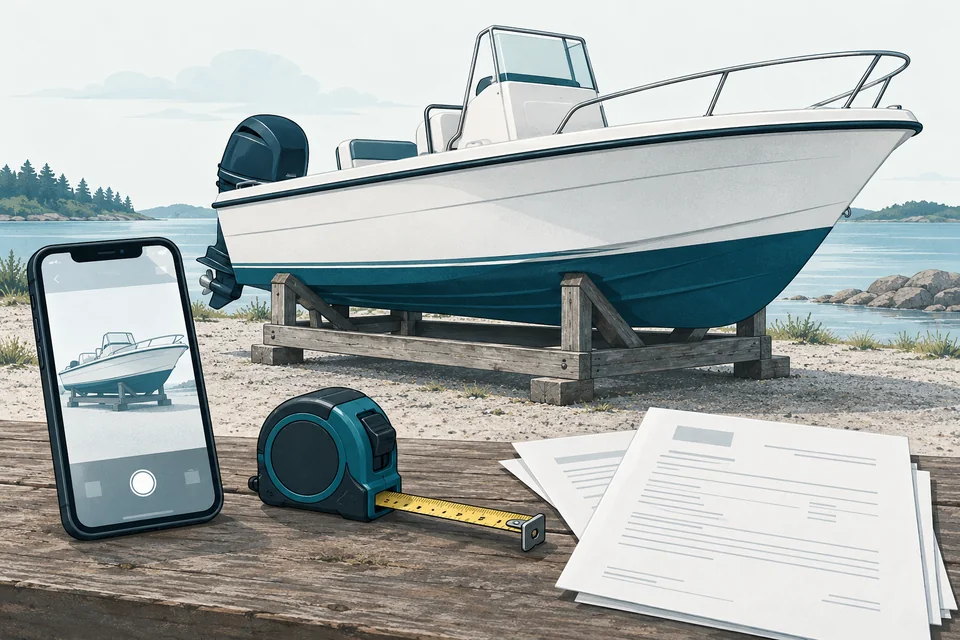
Give each operator the same photographs and measurements. Ask what is included, what information could change the estimate and how disposal or transfer will be documented. Clarify whether the trailer is included, kept by you or handled as a separate item.
Do not assume a local facility accepts complete boats or boats containing fuel and other materials. Acceptance and preparation requirements need confirmation for the actual destination. EPA information distinguishes vessel reuse, recycling and land disposal from regulated disposal at sea; see EPA’s vessel disposal information.