
Choose the purpose of the enquiry
If the boat is unwanted, discuss collection together with its receiving destination. If you are keeping it, identify the transport destination instead. A submerged or unstable vessel needs a recovery assessment before a normal land-based collection can be planned. Explain the difference at the first contact so the estimate describes the right work.
Provide the boat and access details
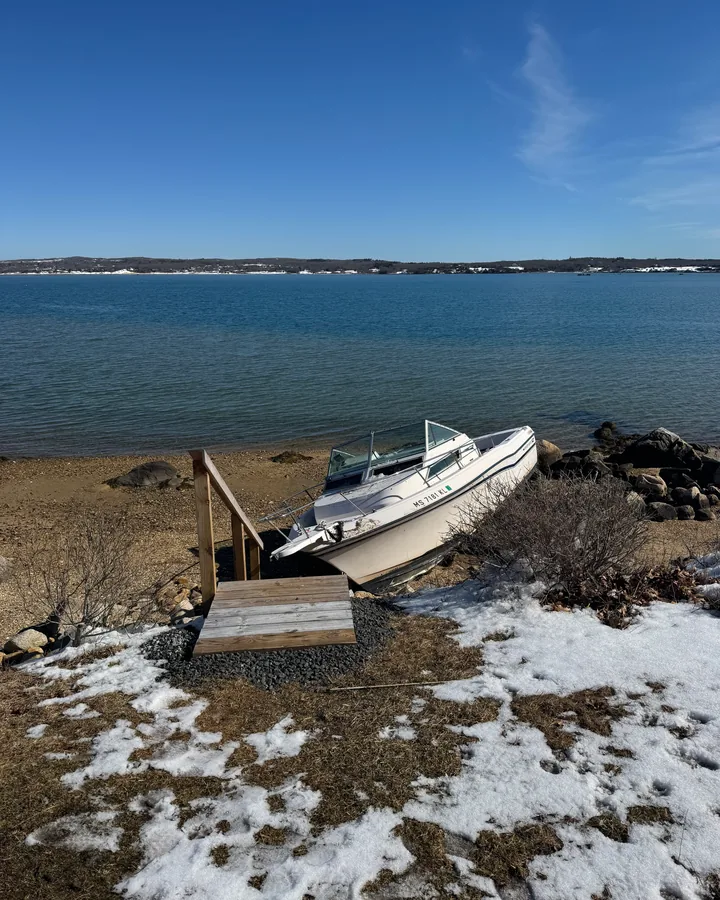
Give the address, approximate length, beam, hull material and condition. State whether it floats, sits on a trailer or rests on blocks or a cradle. Include accessible photographs of the boat, supports and route to the loading position. Identify the property or marina contact and any known access restrictions.
Agree what leaves the property
List the trailer, engine, batteries, loose equipment and other contents separately. Ask which preparation, loading, transport and receiving charges are included. A potential value for components does not establish free removal. If information about weight or contents is missing, record that uncertainty and ask how it affects the estimate.
Resolve authority and the next step
Explain who owns the vessel and what records are available before scheduling. A service enquiry does not settle an ownership, lien or abandonment question. Use the location directory to find a listed area, then confirm the exact address and work available there. Submit the available details through the estimate form; the request does not reserve a collection date.
Request an estimate, review listed locations or read the boat removal cost guide.