
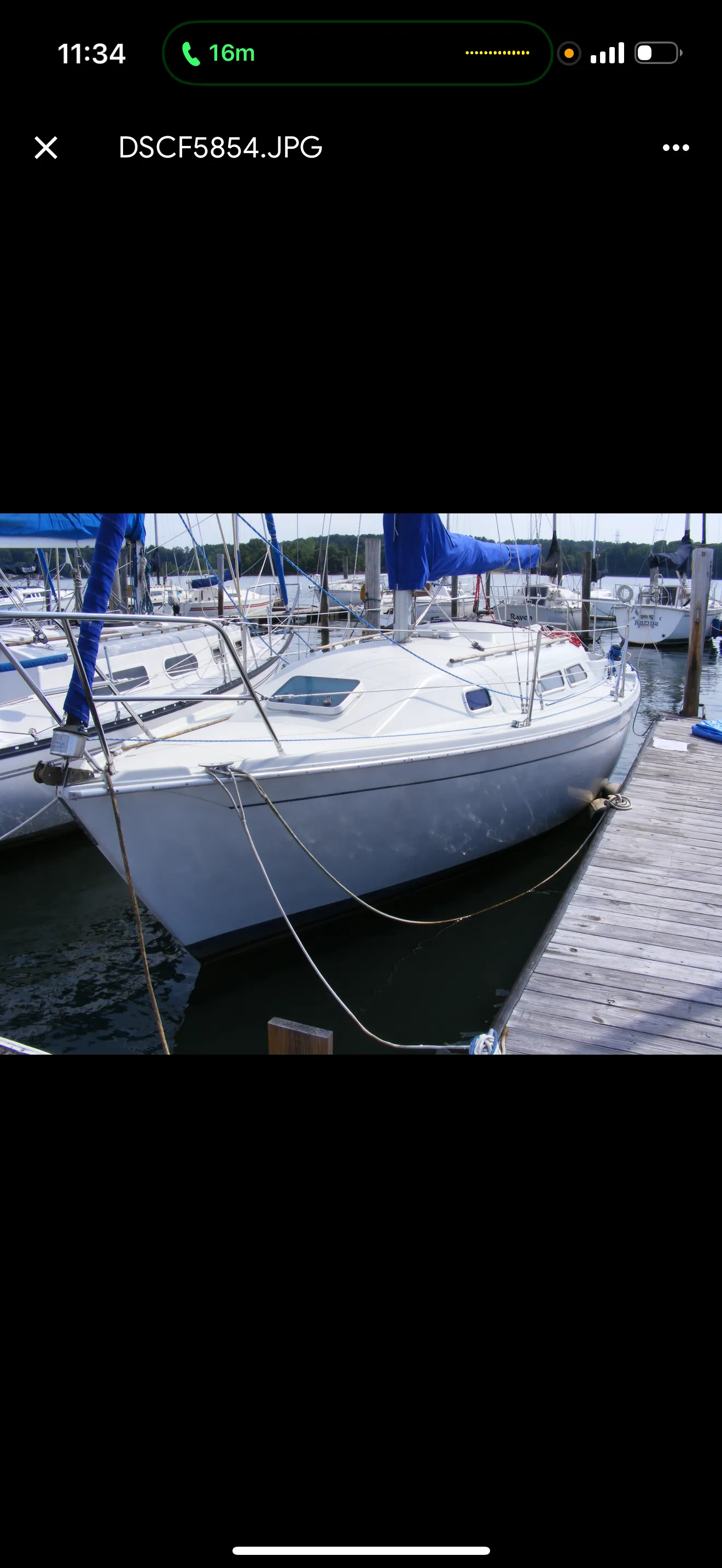
Describe the complete transport configuration
Give length, beam, approximate weight and the height including any cradle, trailer or attached equipment. Identify the hull shape, keel and any mast or canopy. Say which measurements are documented and which are estimates. A trailer under the boat should be described separately; its presence does not establish roadworthiness or suitability for the proposed load.
Distinguish haul-out from road transport
A haul-out moves a vessel from water to land. A road haul begins with a suitable loading arrangement and ends at an agreed destination. Ask which stages the proposal includes and who coordinates any marina lift or working area. At both ends, provide the site contact and available information about gates, turning space, surfaces and access hours.
Compare hauling rates on the same assumptions
Distance alone does not describe the job. Dimensions, supports, preparation, loading and receiving arrangements can affect the estimate. Ask whether the quoted amount includes the trailer, lift charges, route assessment and any applicable permissions. The operator should confirm equipment suitability, insurance scope and any transport requirements for the actual vessel and route.
Agree preparation and arrival arrangements
Ask who prepares removable equipment, who supplies supports and what configuration the destination will accept. Identify any deadline without treating it as a confirmed appointment. Record which conditions could change the method or price and how a revised scope would be agreed. For an end-of-life hull, confirm the receiving route as well as transport.
Request an estimate, review listed locations or read the boat removal cost guide.