
Boat Recycling Services
Fiberglass Boat Recycling
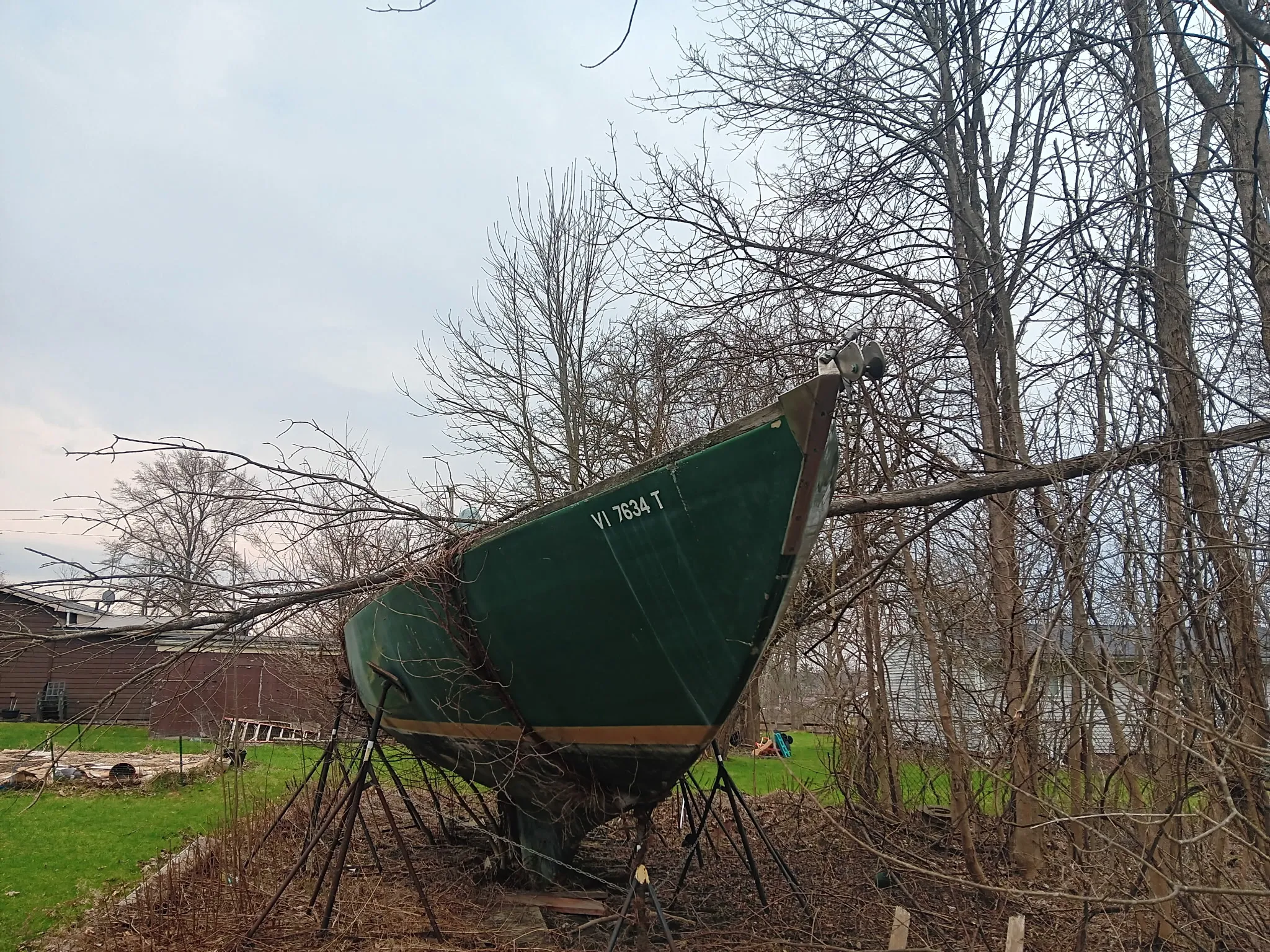
Fiberglass hull recycling involves deconstruction into manageable sections, separation of usable hardware and components, and processing through facilities licensed to handle composite materials. Some programs grind fiberglass into aggregate used in cement production — a genuine recycling application that's growing in availability.
We identify the appropriate facility for your vessel based on location and material type, and handle the entire transport and processing chain. You receive a recycling receipt documenting legal disposal.
Aluminum Boat Recycling
Aluminum is one of the most recyclable materials in any boat. Aluminum hulls, pontoon tubes, and deck frames go straight to metal recycling at established rates. If your boat is primarily aluminum, recycling often offsets or fully covers removal costs. We assess the vessel's aluminum content as part of the quote and credit it against the overall job price.
Mixed-Material and Composite Vessels
Modern boats often combine fiberglass, aluminum, stainless steel, and various plastics. We sort materials at processing and route each to the appropriate facility. Nothing goes to a general landfill when a better option exists.
Why Proper Boat Recycling Matters
The Fiberglass Problem
There are an estimated 70,000–100,000 fiberglass boats reaching the end of their serviceable lives in the US each year. Most of them don't get properly recycled — they end up abandoned on properties, left in slips, or illegally dumped. The marine industry is working on better recycling infrastructure, and we're connected to the facilities that are operating now.
Environmental and Legal Liability
Abandoning a vessel — even on private property — creates ongoing liability for the owner. Many states treat it as environmental negligence. Improper disposal can result in fines and mandatory remediation orders. Using a licensed recycling service like ours eliminates that liability and creates documentation that the vessel was handled correctly.
Lead and Hazardous Materials
Older boats often contain lead ballast, antifouling paint with heavy metals, petroleum products, and other materials that require specific handling. We identify and process hazardous components separately before the hull goes to the primary recycling stream.
How Boat Recycling Works With Us
Material assessment
What's the boat made of — fiberglass, aluminum, steel, wood, or a mix? Construction material determines which facilities can take it and what processing costs apply. This isn't a formality; it's the single biggest driver of your price.
Pricing
Aluminum-heavy vessels often recycle near zero cost or better — the metal offsets the haul. Fiberglass hulls carry a processing fee due to composite handling requirements. We quote the actual number before anything moves.
Pickup and transport
We haul the vessel from wherever it sits. Loading, securing, routing to the appropriate facility — that's on us. You confirm the date; the rest is scheduled.
Processing and paperwork
Once the vessel is processed, you receive a recycling receipt confirming material disposal and title transfer. That document is what you present for registration cancellation, marina lease closure, or any regulatory compliance inquiry that comes up later.
There's a Right Way to Handle This. Here's How.
The boat that has nowhere left to go — we've processed thousands of them. Quote turnaround is same-day in most cases. Scheduling follows within the week.
Get a Recycling Quote → Call: (888) 849-8549 →
See also: Boat Disposal · Boat Salvage · Boat Junk Yards
Frequently Asked Questions — Boat Recycling
Can fiberglass boats actually be recycled?
Not in the same way aluminum or steel can. Fiberglass recycling is an active area of development — some facilities use ground fiberglass as aggregate in cement products, and grinding technology is improving. More commonly, proper fiberglass boat disposal involves licensed deconstruction rather than traditional material recovery. The important distinction is that licensed processing is legal and documented; dumping is not.
Does recycling a boat cost money?
It depends on the material. Aluminum boats often recycle at zero cost or net positive if scrap value covers hauling. Fiberglass boats typically carry a processing fee due to the cost of handling composite materials. We quote specific jobs — call with your vessel details.
What happens to boat motors and components before recycling?
We separate usable or resalable components before the hull goes to recycling. Motors, electronics, and hardware are assessed for salvage value. What's resalable goes to appropriate markets; what isn't gets processed as the relevant material type.
Do you handle hazardous materials in old boats?
Yes. Antifouling paints, lead ballast, oils, and fuel are handled as regulated materials and processed separately. We identify these during the initial assessment and factor them into the quote.